
 EN
EN
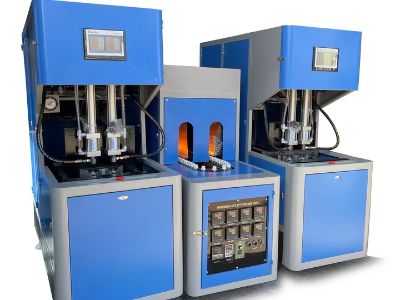
How to Maximize Daily Output in Your PET Bottle Making Workshop?
Running an efficient PET bottle making workshop requires more than simply having modern equipment. High productivity comes from combining reliable machinery, skilled operators, organized workflows, quality raw materials, and effective quality control. By optimizing every stage of production, manufacturers can increase output, reduce downtime, and consistently produce high-quality PET bottles. At WATON, we understand the challenges manufacturers face and provide solutions that help improve production efficiency while maintaining excellent product quality.
How to Maximize Production Efficiency in Your PET Bottle Making Workshop?
Improving efficiency starts with both your equipment and your workforce. Regular machine maintenance is one of the most important factors in maintaining consistent production. Preventive maintenance including cleaning, lubrication, inspections, and timely replacement of worn components helps prevent unexpected breakdowns that can interrupt the production line. Keeping essential spare parts in stock also reduces repair time when maintenance is required. Employee training is equally important. Machine operators should understand proper equipment operation, parameter adjustment, troubleshooting, and routine maintenance procedures. Well-trained employees can quickly identify minor issues before they become major production problems.
An organized workshop also improves productivity. Store PET resin, preforms, packaging materials, and finished bottles in designated locations to minimize unnecessary movement. A pet bottle making machine well-planned production layout allows materials to flow smoothly between each manufacturing stage. Using an assembly-line approach can further improve efficiency. Assigning specific responsibilities to each operator allows every production step from preform heating to bottle blowing, inspection, and packaging to operate simultaneously, increasing overall throughput. Production monitoring software is another valuable tool. Real-time production data allows managers to monitor hourly output, machine performance, downtime, and efficiency. Identifying bottlenecks early enables faster corrective actions and continuous process improvement.
How to Find Reliable Wholesale Suppliers for PET Bottle Materials?
Reliable raw material suppliers are essential for consistent production quality. Begin by researching suppliers that specialize in PET resin, bottle preforms, caps, labels, and packaging materials. Evaluate their industry experience, manufacturing capabilities, certifications, and customer reviews before making purchasing decisions. Request product samples before placing large orders. Testing raw materials ensures they meet your production standards for strength, clarity, consistency, and processing performance.
When comparing suppliers, evaluate their material quality, delivery reliability, production capacity, lead times, technical support, and minimum order quantities instead of focusing only on price. Building long-term partnerships with trusted suppliers often results in better pricing, priority production scheduling, and improved customer service. Industry trade shows and manufacturing exhibitions are also excellent opportunities to meet suppliers, evaluate new materials, and learn about emerging production technologies. Maintaining open communication with suppliers ensures they understand your production schedules and inventory requirements, reducing the risk of material shortages.
Common PET Bottle Production Issues and How to Solve Them
Several common challenges can reduce production efficiency if left unresolved. Machine breakdowns are among the most significant causes of lost production time. Establishing preventive maintenance schedules helps keep equipment operating at peak performance while minimizing unexpected failures. Poor-quality raw materials can also create production problems. Low-grade PET resin may produce bottles with weak walls, poor transparency, or dimensional inconsistencies. Purchasing materials from reputable suppliers and performing incoming material inspections helps maintain consistent product quality. Insufficient operator training can reduce production speed and increase equipment errors. Regular training sessions help employees improve water bottle making machine operation, safety awareness, and troubleshooting skills. Workforce shortages during busy production periods may also limit output. Planning seasonal staffing requirements and cross-training employees allows workshops to maintain production capacity during periods of increased demand. Addressing these issues proactively helps improve operational efficiency and reduce costly production interruptions.
How to Implement Effective Quality Control in PET Bottle Manufacturing?
Quality control is essential for producing safe, durable, and consistent PET bottles. Establish dedicated quality inspection procedures throughout the manufacturing process rather than inspecting only finished products. Monitor critical production stages such as material preparation, preform heating, bottle blowing, cooling, and final packaging. Finished bottles should be inspected for wall thickness consistency, dimensional accuracy, transparency, surface defects, cracks or weak points, proper neck finish, and leak resistance.
Modern inspection systems equipped with sensors and automated vision technology can detect production defects in real time. These systems help identify abnormal temperatures, incorrect air pressure, or dimensional variations before defective plastic bottle production machine continue through production. Employee training also plays an important role in quality assurance. Operators should understand inspection standards and follow standardized quality checklists throughout each production shift. Consistent quality control improves customer satisfaction, reduces waste, and protects the manufacturer's reputation.
Innovative Techniques to Increase PET Bottle Production Output
Modern manufacturing technologies provide numerous opportunities to increase production efficiency. High-speed automatic bottle blowing machines significantly improve production capacity while reducing manual labor requirements. Automated systems maintain consistent production quality while increasing output rates. Optimizing workshop layout is another effective improvement. Positioning related equipment closer together minimizes material handling time and allows operators to work more efficiently.
Manufacturing software can provide valuable production insights by tracking machine utilization, downtime, output rates, reject rates, and maintenance schedules. These analytics help managers identify opportunities for continuous improvement. Encouraging employee involvement also supports innovation. Regular production meetings allow operators to suggest workflow improvements, identify recurring issues, and recommend practical solutions based on daily experience. At WATON, we believe that combining advanced equipment, preventive maintenance, skilled employees, organized workflows, reliable suppliers, and strong quality management creates a highly efficient PET bottle manufacturing operation capable of meeting growing production demands while consistently delivering high-quality products.
Table of Contents
- How to Maximize Production Efficiency in Your PET Bottle Making Workshop?
- How to Find Reliable Wholesale Suppliers for PET Bottle Materials?
- Common PET Bottle Production Issues and How to Solve Them
- How to Implement Effective Quality Control in PET Bottle Manufacturing?
- Innovative Techniques to Increase PET Bottle Production Output