
 EN
EN
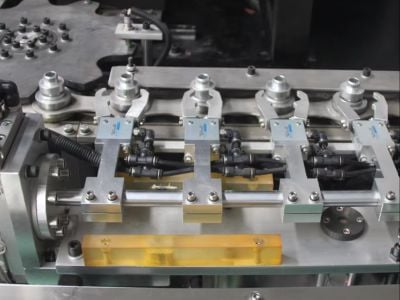
Choosing the right number of cavities for a blow molding machine is an important decision for many businesses. WATON, a leader in industrial manufacturing, understands that this choice can impact both production efficiency and product quality. Cavity selection is not just about the numbers; it’s about finding the best fit for your needs. Too few cavities may lead to longer production times, while too many can create challenges in quality control. Therefore, understanding how many cavities you really need is crucial for achieving the best results in your manufacturing process
What Is the Ideal Number of Cavities for Your Blow Molding Machine
The ideal number of cavities for your Blow Mold machine really depends on what you’re making and how much you need. If you are producing small parts, having more cavities might be a good idea, as it allows you to make many pieces at once. For instance, if you need to make 1,000 small bottles, a machine with 4 or even 8 cavities can help you reach that goal faster. However, if you are making larger products, like containers or tanks, fewer cavities may be better. A machine with only 1 or 2 cavities may be more suitable, as it’s easier to control the quality of each item. You also want to think about your production speed. If you have a huge demand for a specific product, you might want more cavities to keep up. But if your production is slower or more specialized, fewer cavities can actually help you focus on making each piece perfect. WATON recommends looking at your production goals, the type of products you are making, and how fast you need to work. This will help you decide how many cavities are just right for you. Remember, it’s not just about having more cavities; it’s about having the right amount that works well for your specific situation
How to Optimize Cavity Selection for Maximum Efficiency in Blow Molding
Optimizing cavity selection is key to making your blow molding systems process efficient. Start by analyzing what you need. What kind of products are you making? Are they large or small? Understanding the size and shape of your products plays a big part in selecting the right number of cavities. For instance, if you are making something simple, like a small cap, a machine with many cavities can save time. If you are creating something complex, it’s better to use fewer cavities so you can manage quality better. You should also consider the speed of your machine. A faster machine can handle more cavities than a slower one. This means that if you have a high-speed machine, you can increase the number of cavities without losing quality. Keep in mind the material you are using, too. Some materials flow better than others, which can affect how many cavities you can use. At WATON, we recommend using trial runs to test different setups. This helps you see how many cavities work best for your specific needs. It’s also important to keep an eye on your production costs. More cavities can mean higher initial costs, but they can also lead to savings over time if they help you produce more items faster. Balancing these factors will help you make the best choice for your blow molding machine setup
What Are the Common Misconceptions About Blow Molding Cavities
Blow molding is a process used to make plastic products, like bottles and containers. Many people think that having more cavities in a blow molding equipment is always better. However, this is not true. One common misconception is that more cavities mean higher production rates and lower costs. While it’s true that having multiple cavities can produce more items at once, it can also cause problems. For example, if one cavity stops working, it can slow down the whole machine. This means less production instead of more. Another misunderstanding is that all cavities are the same. In reality, different products need different cavity shapes and sizes. A cavity that works well for a bottle might not be good for a container. This is why it’s important to choose the right cavity for the right product Some people also think that a blow molding machine with many cavities is always the best choice for every company. But this isn’t always the case. If a company only needs to make a few items, a machine with many cavities might be too big and too expensive. It’s like trying to use a giant oven to bake just one cookie! WATON understands that choosing the right number of cavities depends on the needs of the business. Each company must think about how many items they want to make and how quickly they need them. This way, they can select the best option for their production needs
How Many Cavities Do You Need for Cost-Effective Production
When deciding how many cavities to use in a blow molding machine, it’s important to think about cost. More cavities can mean more items made at once, but that doesn’t always mean saving money. For example, if a company uses a machine with too many cavities for a small production run, the costs can be higher. This is because the machine might use more energy and require more maintenance. On the other hand, if a company uses a machine with too few cavities, it might not keep up with demand. This can lead to lost sales because they can’t make enough products quickly enough. WATON suggests finding a balance between the number of cavities and the production needs. A good approach is to think about how many products you need to make each day or week. For example, if a company needs to produce 1,000 bottles a day, they might find that a machine with 4 cavities is the best fit. This way, they can produce 250 bottles at a time and still meet their daily goal. It’s also helpful to look at the size and type of products being made. Bigger products might need fewer cavities, while smaller ones can have more. Another important thing to consider is the market. If a company wants to grow and sell more products in the future, they might want to invest in a machine with more cavities. This can help them keep up with demand as their business grows. But if they are just starting, they might choose a machine with fewer cavities to save money. In either case, working with WATON can help businesses make the right decision for their needs
How Common Usage Issues Can Affect Your Blow Molding Cavity Selection
Using a blow molding machine can sometimes come with challenges that affect how you choose your cavities. One common issue is that not all materials are the same. Different types of plastic can behave differently when heated. If the wrong material is used with a specific cavity, it can lead to problems like uneven shapes or weak spots in the product. This is why it is important to understand the materials you are working with before deciding on the cavity design. WATON emphasizes that knowing the strengths and weaknesses of each material can help in selecting the right cavity for your needs. Another common issue is the temperature settings in the machine. If the machine is not at the correct temperature, it can cause issues with the product shape and quality. For instance, if the temperature is too high, the plastic might melt too quickly. This can lead to spills and uneven products. On the other hand, if it’s too low, the plastic might not mold properly. This means you have to be careful with temperature settings when choosing the number of cavities. Finally, the speed of production can also affect cavity selection. If a machine is running too fast, it may not have enough time for the plastic to cool and harden properly. This can lead to defects in the finished product. WATON suggests finding a balance between speed and quality when selecting cavities. It is important to adjust the machine settings based on how many cavities you are using. By being aware of these common usage issues, businesses can make better choices about their blow molding cavities and enhance the overall production process.
Table of Contents
- What Is the Ideal Number of Cavities for Your Blow Molding Machine
- How to Optimize Cavity Selection for Maximum Efficiency in Blow Molding
- What Are the Common Misconceptions About Blow Molding Cavities
- How Many Cavities Do You Need for Cost-Effective Production
- How Common Usage Issues Can Affect Your Blow Molding Cavity Selection